
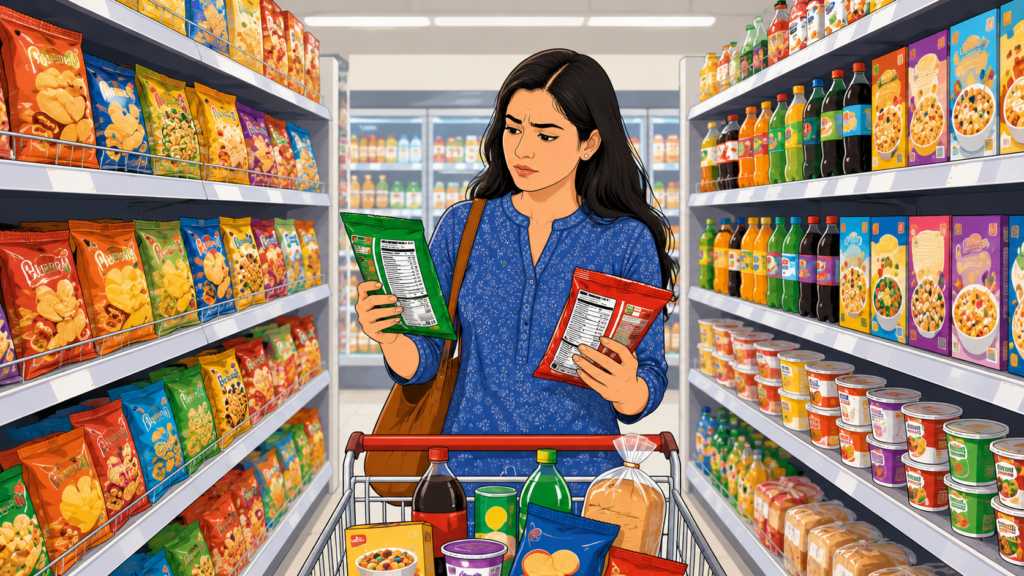
Most of us think only alcohol or cigarettes slowly destroy health. But a growing body of research suggests that many of the foods sitting in our kitchen cabinets—biscuits, chips, instant noodles, sugary drinks, packaged snacks and ready-to-eat meals—may also be doing long-term damage.
Ultra-processed foods in India are becoming an increasingly common part of modern diets, raising concerns among researchers and health professionals about their long-term impact on health.
A few years ago, if you had looked inside my kitchen, you would have found all the usual suspects: packets of biscuits for tea time, instant noodles for busy evenings, namkeen for mindless snacking, and soft drinks a companion for every fast food like pizza, burger or desi chole bhature.
Like many working Indians, I never thought of these foods as a serious health issue. I wasn’t eating fast food every day. I wasn’t obese. I wasn’t sick.
I was simply doing what millions of people do: choosing convenience.
Only later did I realise that convenience can become a habit, and habits compound over time.
The same way a small daily SIP grows into a large investment over years, small daily food choices also compound—either in favour of health or against it.
This is why a major review published in The BMJ caught my attention. It examined one of the largest collections of evidence ever assembled on ultra-processed foods and their effects on human health.
In this article, we’ll look at what ultra‑processed foods really are, what this BMJ review found, and how an ordinary Indian can reduce them by 10–20% without crazy diets.
Table of Contents
What Exactly Is an Ultra-Processed Food?
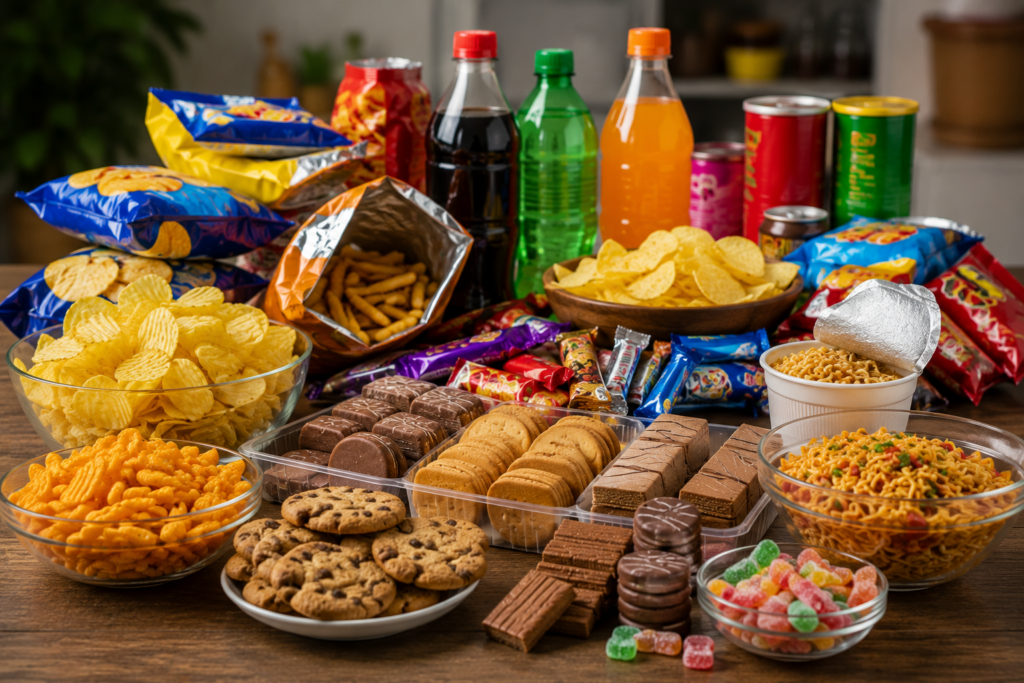
Ultra-processed foods are factory-made products that contain ingredients you would rarely use in your own kitchen, such as artificial flavours, colourings, emulsifiers, preservatives, and sweeteners. Examples include packaged snacks, soft drinks, instant noodles, and many ready-to-eat foods.
Most of us think of processed food as anything that comes in a packet. In reality, not all processing is harmful.
Washing, freezing, pasteurising milk, grinding wheat into flour, or making curd are forms of food processing that have been used safely for generations.
Ultra-processed foods are different.
According to the NOVA food classification system developed by researchers in Brazil, ultra-processed foods are industrial formulations made mostly from substances extracted from foods, chemically modified ingredients, and additives that are rarely used in home kitchens.
These products are typically designed to be convenient, highly palatable, inexpensive, and have a long shelf life.
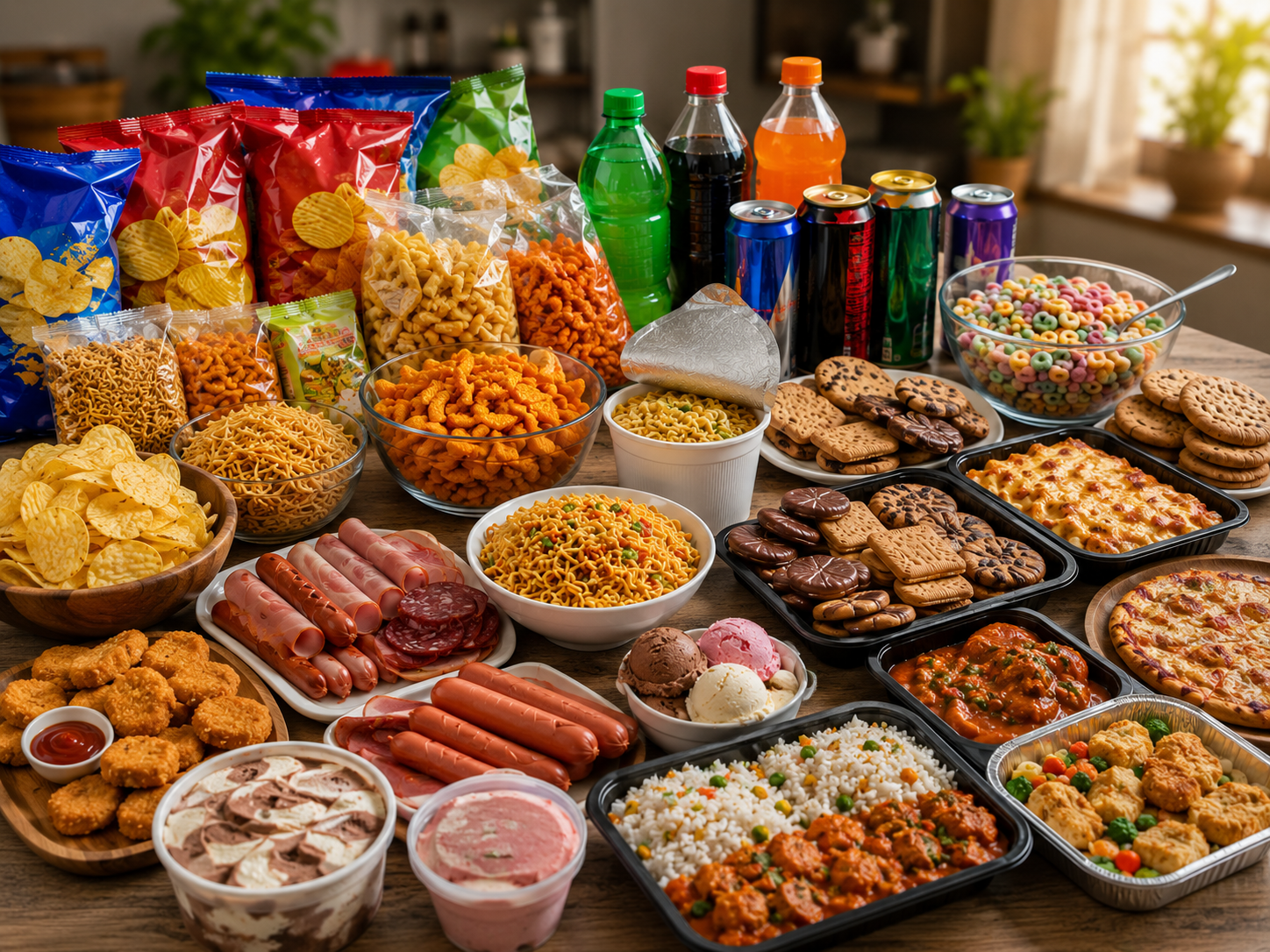
Common examples include:
- Packaged chips and namkeen
- Soft drinks and energy drinks
- Instant noodles
- Sweetened breakfast cereals
- Packaged cookies and biscuits
- Ice creams
- Processed meats such as sausages and nuggets
- Many ready-to-eat and ready-to-heat meals
A simple rule of thumb is this:
If the ingredient list contains several items that you would not normally find in a home kitchen, there is a good chance the product is ultra-processed.
This does not mean these foods must never be eaten. The concern arises when they become a regular and significant part of the diet.
Not All Processed Foods in India Are The Same
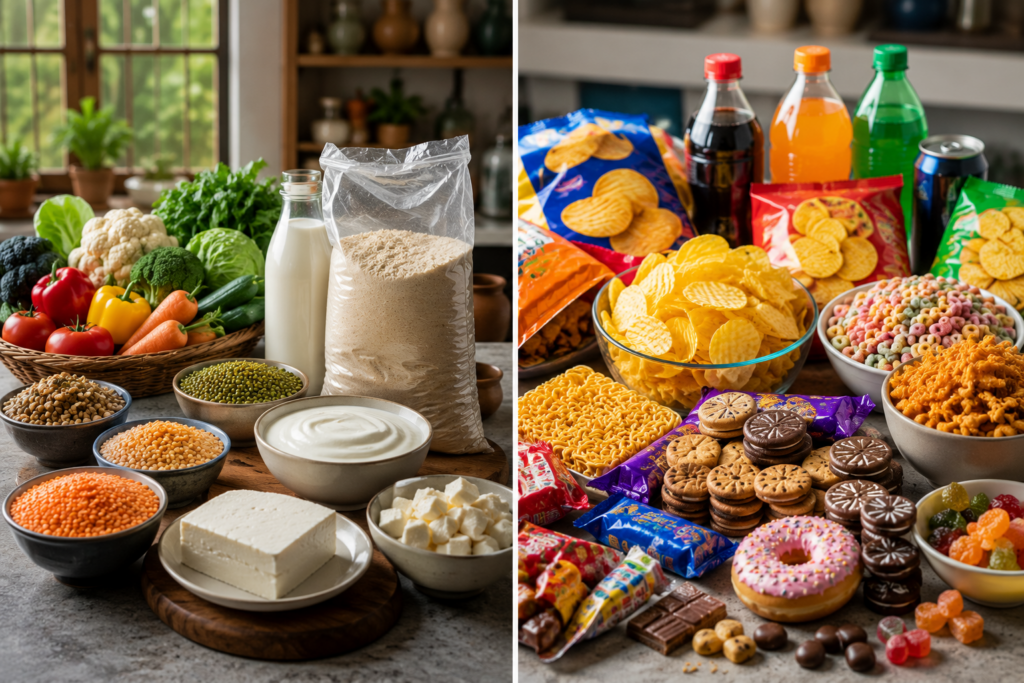
One of the biggest misconceptions in nutrition discussions is that all processed foods are unhealthy.
In reality, food processing exists on a spectrum.
For example, washing, freezing, drying, pasteurising, grinding, or fermenting foods are all forms of processing. Many healthy foods undergo some level of processing before reaching our kitchens.
The real concern is with ultra-processed foods, which are industrial formulations made primarily from refined ingredients, additives, flavour enhancers, preservatives, emulsifiers, and substances that are rarely used in home cooking.
Consider the difference:
| Plain curd is processed. | Flavoured dessert yogurt loaded with additives may be ultra-processed. |
| Fresh fruit is minimally processed. | Fruit-flavoured candy is ultra-processed. |
| Homemade roti is minimally processed. | Packaged instant meals designed for long shelf life are often ultra-processed. |
This distinction matters because the goal is not to fear all processed foods.
The goal is to understand which foods support long-term health and which foods are designed primarily for convenience, shelf life, and hyper-palatability.
Understanding this difference helps us make better choices without becoming unnecessarily restrictive or anxious about food.
Why Ultra-Processed Foods in India Are Growing So Fast.
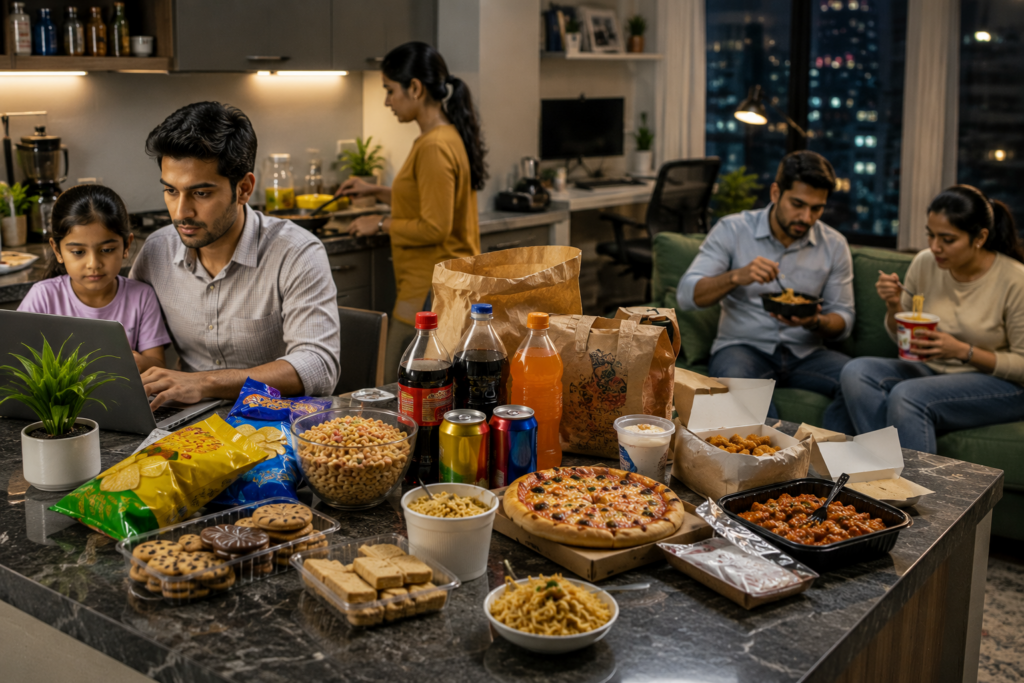
Ultra-processed foods in India were once considered occasional treats in Indian households.
Think back to your childhood—biscuits were carefully kept in airtight tins, reserved only for guests. Soft drinks made an appearance only during major celebrations, and instant noodles were a rare convenience rather than a weekly staple. I still vividly remember how, whenever guests arrived, my parents would send me running to the nearby kirana shop to bring back those glass soda bottles.
Today, the scene has completely flipped. No matter the season, you’ll find almost every urban Indian refrigerator permanently stocked with soft drinks and packaged foods.
Busy work schedules, food delivery apps, aggressive marketing, and the availability of packaged foods in almost every neighbourhood shop have made ultra-processed foods in India a normal part of daily life.
A packet of biscuits with morning tea, namkeen during office breaks, a soft drink with lunch, and instant noodles late at night may not feel unusual.
The challenge is that these small choices often happen automatically and repeatedly.
As incomes rise and lifestyles become busier, convenience increasingly competes with traditional home-cooked meals.
That is why researchers and public health experts are paying close attention to ultra-processed food consumption in India and around the world.
The concern is not one snack or one meal.
The concern is what happens when convenience becomes a habit repeated thousands of times over many years.
Common Ultra-Processed Foods Many Indians Eat Every Day
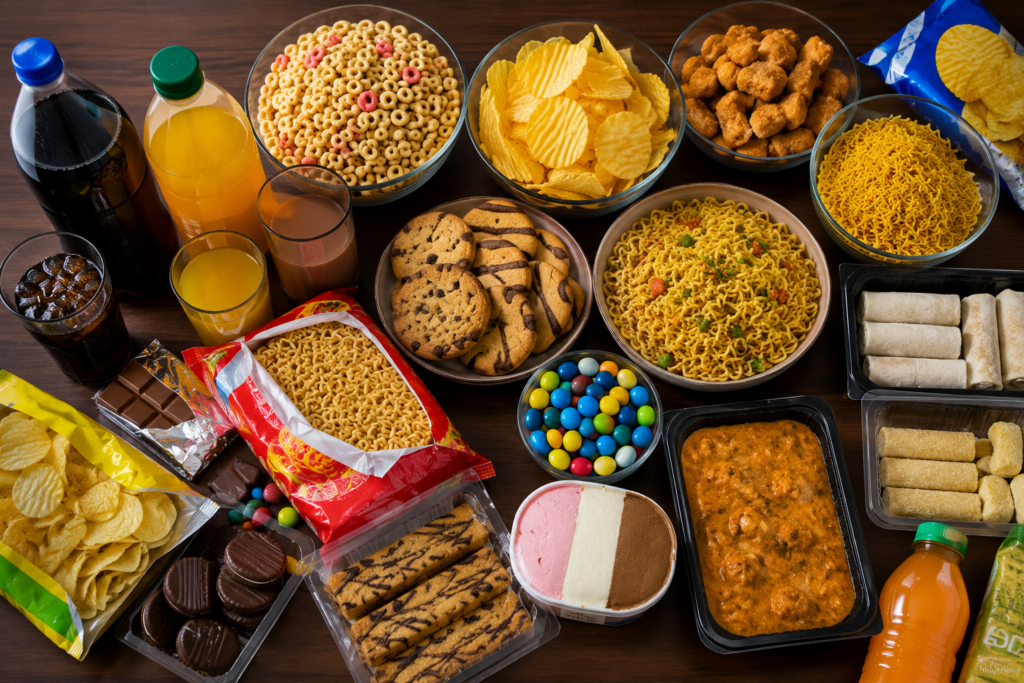
Many ultra-processed foods in India have become a regular part of modern diets because they are convenient, affordable, and widely available. While occasional consumption is unlikely to be harmful, regular reliance on these foods can gradually increase overall intake of sugar, salt, unhealthy fats, and additives.
Some common examples include:
Instant Noodles
Products such as instant noodles are quick and convenient but are often high in sodium and contain flavour enhancers and preservatives.
Packaged Biscuits and Cookies
Many popular biscuits contain refined flour, added sugar, vegetable oils, emulsifiers, and artificial flavours.
Soft Drinks and Sugary Beverages
Carbonated drinks, packaged fruit drinks, and energy drinks often contain large amounts of added sugar with little nutritional value.
Packaged Chips and Namkeen
These snacks are typically high in salt, refined oils, and flavouring agents that can encourage overeating.
Sugary Breakfast Cereals
Many cereals marketed as healthy breakfast options contain significant amounts of added sugar despite their health-focused branding.
Processed Meats
Sausages, nuggets, salami, and similar products usually undergo extensive industrial processing and often contain preservatives and additives.
Ready-to-Eat Frozen Foods
Frozen pizzas, burger patties, and packaged convenience meals are often classified as ultra-processed foods.
The presence of ultra-processed foods in the diet does not automatically mean poor health. The concern arises when these products begin replacing whole foods such as fruits, vegetables, legumes, nuts, dairy, eggs, and home-cooked meals on a regular basis.
As awareness around ultra-processed foods in India grows, many consumers are becoming more conscious about reading food labels and making informed choices.
While it is not practical to avoid ultra-processed foods completely in modern life, becoming a more informed shopper can significantly reduce your overall consumption without making your diet restrictive or complicated.
How to Identify Ultra-Processed Foods When Shopping
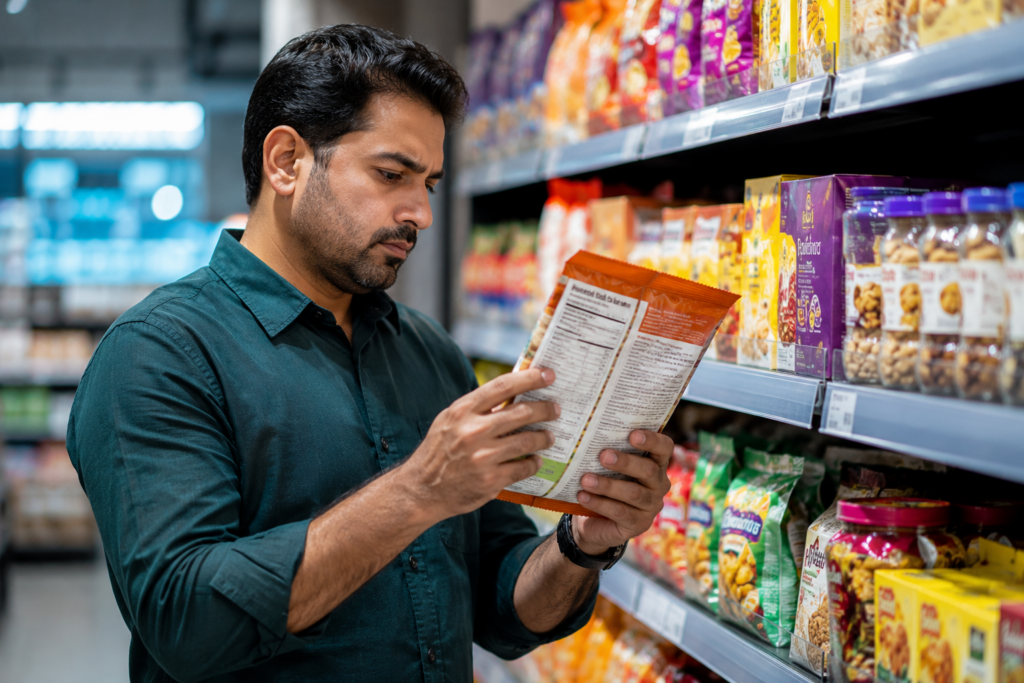
You do not need a nutrition degree to identify ultra-processed foods. In many cases, the ingredient list provides enough clues.
Understanding how to identify ultra-processed foods is one of the most practical health habits consumers can develop today. Here are some simple signs that a product may be ultra-processed:
1. A Long Ingredient List
Foods containing dozens of ingredients are often more heavily processed than foods made from a few recognizable ingredients.
2. Ingredients You Would Not Use at Home
Names such as emulsifiers, stabilizers, artificial sweeteners, flavour enhancers, colourings, and preservatives may indicate a higher level of industrial processing.
3. Added Flavours and Colours
Terms like “artificial flavour,” “nature-identical flavour,” or synthetic food colours are common in many ultra-processed products.
4. High Sugar, Salt, or Refined Oils
Many ultra-processed foods are designed to be highly palatable, which often means they contain significant amounts of sugar, sodium, or refined fats.
5. Aggressive Health Claims on Packaging
Labels such as “high protein,” “multigrain,” “low fat,” or “fortified with vitamins” do not automatically mean a product is healthy. Reading the ingredient list remains important.
Quick Rule for Consumers
A simple rule is to focus primarily on foods that look similar to their original form:
- Fruits
- Vegetables
- Pulses
- Nuts
- Milk and curd
- Eggs
- Fish
- Fresh meat
- Whole grains
The more a food resembles its natural state, the less likely it is to be ultra-processed.
Understanding how to identify ultra-processed foods is useful, but an important question remains: what does the scientific evidence actually say about their impact on health?
What Does Research Say About Ultra-Processed Foods and Health?

Scientists have been studying ultra-processed foods for years, but recent evidence has strengthened concerns about their long-term health effects.
One of the largest reviews published in the British Medical Journal (BMJ) analysed findings from multiple studies involving millions of participants. Researchers found consistent links between higher consumption of ultra-processed foods and an increased risk of several health conditions.
These included:
- Obesity and weight gain
- Type 2 diabetes
- Cardiovascular disease
- High blood pressure
- Depression and anxiety
- Poor sleep quality
- Increased risk of early death from various causes
It is important to understand that these studies mainly show associations rather than direct cause-and-effect relationships. However, the consistency of findings across different countries and populations has raised significant concerns among public health experts.
Researchers believe several factors may contribute to these health risks, including excessive sugar, unhealthy fats, high sodium content, low fibre, artificial additives, and the tendency of ultra-processed foods to encourage overeating.
While occasional consumption is unlikely to cause harm, making ultra-processed foods a major part of your daily diet may negatively affect long-term health.
According to recent research, reducing ultra-processed foods and replacing them with minimally processed alternatives may improve overall dietary quality and long-term health outcomes.
What Health Risks Were Linked To Ultra-Processed Foods?
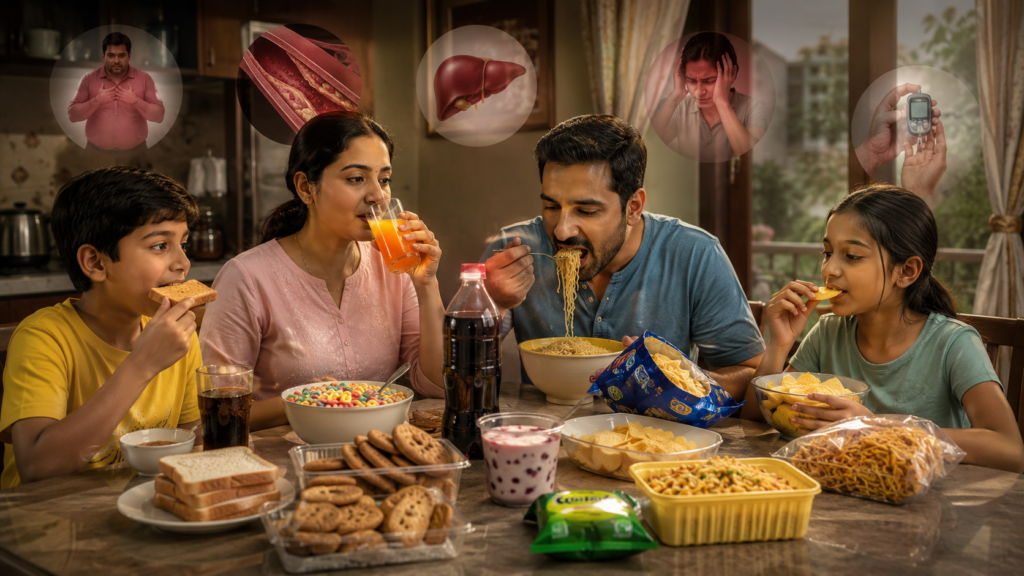
The strongest message from the review was surprisingly consistent.
Research suggests that ultra-processed foods in India are contributing to changing dietary patterns in both urban and rural populations.
People who consumed the highest amounts of ultra-processed foods tended to experience worse health outcomes across multiple areas.
1. Heart Disease And Cardiovascular Problems
The evidence was strongest for heart-related conditions.
Higher consumption of UPFs was associated with greater risk of cardiovascular disease, coronary heart disease, and related complications.
This is not difficult to understand.
Many ultra-processed foods combine excessive amounts of:
- Refined carbohydrates
- Added sugar
- Salt
- Unhealthy fats
while offering very little fibre or nutritional value.
Over time, that combination can create the perfect environment for metabolic and cardiovascular problems.
2. Type 2 Diabetes
India is already known as one of the diabetes capitals of the world.
Unfortunately, many ultra-processed foods encourage rapid spikes in blood sugar while providing very little satiety.
When a person regularly replaces balanced meals with highly processed snacks and drinks, it becomes easier to consume excess calories without feeling full.
The review found a clear pattern linking higher UPF consumption with increased risk of type 2 diabetes.
For Indian working adults spending long hours at desks, this should be particularly concerning.
If you’re concerned about the long-term impact of dietary habits on your health, our BMI Calculator can provide a quick starting point.
3. Mental Health And Depression
One of the most interesting findings involved mental health.
People consuming larger amounts of ultra-processed foods showed higher risks of depression and other mental health challenges.
Researchers are still studying the exact mechanisms, but several possibilities exist:
- Poor diet quality
- Inflammation
- Gut microbiome disruption
- Blood sugar instability
- Nutrient deficiencies
Mental health is obviously influenced by many factors, but food appears to be one piece of the puzzle.
4. Poor Sleep And Overall Wellbeing
Many people blame work stress alone for poor sleep.
Stress certainly matters.
But highly processed foods can also affect sleep quality through blood sugar fluctuations, excess calorie intake, and poor overall dietary patterns.
The review identified associations between high UPF intake and poorer health outcomes beyond just physical disease.
When health habits deteriorate together—poor sleep, poor food, low activity levels—the effects often reinforce each other.
5. Higher Risk Of Early Death
Perhaps the most concerning finding was that people consuming the highest levels of ultra-processed foods showed higher risks of all-cause mortality.
This does not mean a packet of biscuits causes death.
It means that dietary patterns built around heavily processed foods appear consistently associated with poorer long-term health outcomes.
The pattern showed up repeatedly across large populations.
That is why researchers and public health experts are paying attention.
Why Are Ultra-Processed Foods Potentially Harmful?
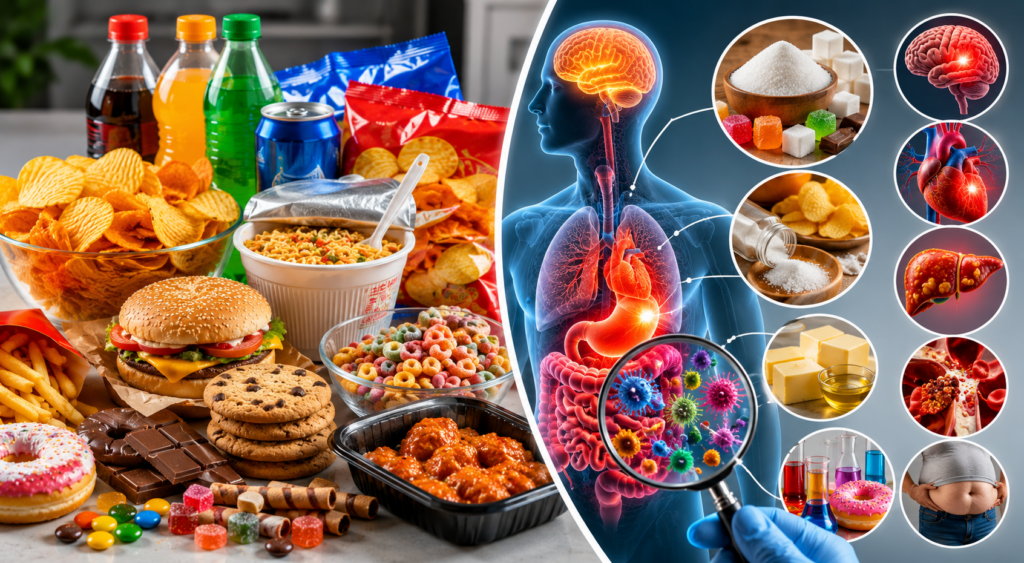
Ultra-processed foods are not harmful simply because they are packaged or manufactured. The concern comes from how these products are formulated and how they affect eating habits over time.
Many ultra-processed foods are designed to be extremely convenient, highly palatable, and difficult to stop eating. They often combine refined carbohydrates, added sugars, unhealthy fats, salt, and artificial flavour enhancers in ways that encourage overconsumption.
The Secret Science Behind Your Cravings: How Fast Food is Engineered to Hook You
Ever wondered why it’s impossible to eat just one fry, or why a burger from your favorite joint hits the spot every single time? It’s not your lack of willpower—it’s advanced food science. Quick Service Restaurants (QSRs) employ armies of R&D engineers who scientifically design food to be clinically irresistible. They don’t just cook; they calculate. By figuring out the exact “Bliss Point”—the perfect ratio of salt, sugar, and fat—they maximize your pleasure without triggering the “I’m full” signal in your brain.
Every single bite is a masterclass in neurological manipulation. Food scientists meticulously test “mouthfeel,” designing items that dissolve quickly on your tongue to trick your brain into thinking you haven’t actually eaten much, which directly leads to overeating. They also use “dynamic contrast”—like pairing a hot, crispy, salty chicken crust with a cold, creamy, sweet sauce—to keep your tastebuds excited and prevent your palate from getting bored.
Combined with engineered aromas that make your mouth water before you even take a bite, these foods create a powerful dopamine loop in your brain. It’s a highly calculated cycle of craving and instant satisfaction, meticulously prototyped and tested to ensure that once you start eating, your brain demands that you keep going.
Common concerns include:
Excess Added Sugar
Many breakfast cereals, packaged drinks, desserts, and snack foods contain significant amounts of added sugar. Regular consumption may contribute to weight gain, insulin resistance, and an increased risk of type 2 diabetes.
Low Fibre Content
During processing, many natural sources of fibre are removed. Fibre helps support digestion, blood sugar control, and satiety. Diets low in fibre often leave people feeling less satisfied after meals.
High Sodium Levels
Packaged snacks, instant noodles, processed meats, and ready-to-eat meals frequently contain large amounts of sodium. Excessive sodium intake may contribute to high blood pressure and cardiovascular problems.
Artificial Additives and Emulsifiers
Some ultra-processed foods contain preservatives, artificial sweeteners, colourings, flavour enhancers, and emulsifiers. Researchers are still studying their long-term impact on gut health and metabolism.
Easy to Overeat
Perhaps the biggest concern is that ultra-processed foods are engineered for convenience and taste. Because they require little preparation and are highly rewarding to eat, people often consume more calories than intended.
Understanding how ultra-processed foods affect eating behaviour may help individuals make more informed dietary choices without needing to follow extreme diets or restrictive eating plans.
Practical Ways to Reduce Ultra-Processed Foods in Your Diet

Reducing ultra-processed foods in India works best when combined with other healthy daily habits that support long-term physical and mental well-being.
Here are a few practical strategies that can make a meaningful difference.
Start With Breakfast
Many common breakfast foods such as sugary cereals, flavored instant oats, packaged muffins, and processed breakfast bars are ultra-processed.
Simple alternatives include:
- Plain oats with fruit
- Eggs and whole wheat toast
- Homemade poha or upma
- Fresh fruit with curd
Drink More Water
Soft drinks, packaged juices, energy drinks, and sweetened beverages are among the largest sources of added sugars in many diets.
Replacing even one sugary drink per day with water can significantly reduce ultra-processed food intake.
Cook More Meals at Home
Home-cooked meals give you greater control over ingredients and portion sizes.
You do not need elaborate recipes. Even simple meals made from vegetables, lentils, rice, eggs, and whole grains are often healthier than heavily processed convenience foods.
Read Ingredient Labels
Before purchasing packaged foods, spend a few seconds reviewing the ingredient list.
Products with shorter ingredient lists and recognizable ingredients are often better choices.
Focus on Addition Rather Than Restriction
Instead of obsessing about what to eliminate, focus on adding more:
- Fruits
- Vegetables
- Pulses
- Nuts
- Whole grains
- Fresh protein sources
When healthier foods naturally occupy more space in your diet, ultra-processed foods tend to decrease automatically.
Why This Matters So Much For Indians
This research feels especially relevant in modern India.
Our grandparents’ generation mostly ate:
- Dal
- Roti
- Sabzi
- Rice
- Fruits
- Curd
- Seasonal foods
Today’s reality often looks very different.
A typical day might involve:
- Packaged biscuits with morning tea
- Skipping breakfast
- Ordering lunch online
- Evening namkeen at the office
- Sugary drinks
- Instant noodles after a long day
None of these choices seem harmful in isolation. The problem is that they quietly become habits. If you quickly scan your kitchen today, how many of these packets can you count?
At the same time, India is already experiencing rising rates of:
- Type 2 diabetes
- Obesity
- Heart disease
- Fatty liver disease
- Anxiety and depression
The lifestyle environment is becoming increasingly favourable to ultra-processed foods and increasingly unfavorable to long-term health.
If you look at your last week, how many times did biscuits, instant noodles or delivery meals quietly replace simple home food?
The Goal Is Not Perfection
Whenever people read articles like this, they often make the same mistake.
They think they need to eliminate everything overnight.
That usually fails.
The same way crash diets fail.
The same way extreme fitness plans fail.
The better approach is gradual replacement.
Think in percentages, not perfection.
Instead of asking:
“How do I stop eating all ultra-processed foods?”
Ask:
“How can I reduce them by 10–20% this month?”
Small changes repeated consistently tend to last.
Reducing dependence on ultra-processed foods in India may be one of the simplest long-term strategies for improving public health.
A Simple Challenge For This Week
Identify the three ultra-processed foods you consume most often.
For many people, the list might include:
- Biscuits
- Namkeen
- Instant noodles
- Soft drinks
- Packaged sweets
For the next seven days, replace one of them each day with a minimally processed alternative.
Examples:
| Instead of | Try |
| Biscuits | Banana or roasted chana |
| Namkeen packet | Peanuts or home-roasted makhana |
| Soft drink | Water, lemon water or buttermilk |
| Instant noodles | Dal-chawal or curd-rice |
| Packaged dessert | Fruit |
You do not need a perfect diet.
You only need slightly better habits repeated consistently.
If you had to change just one snack this week, which one feels easiest to start with?
One Simple Step To Start Today
The biggest lesson I took from this research is simple:
You do not need a perfect diet to improve your health. You only need slightly better choices repeated consistently over time.
Health problems rarely appear overnight.
They usually arrive after years of repeated decisions that seemed harmless at the time.
Ultra-processed foods are convenient. They save time. They often taste great.
But convenience should not become the foundation of our diet.
For me, one change I am continuing this month is replacing my evening biscuits with fruit and homemade chana chaat several days a week.
It’s not dramatic.
But health, like investing, often improves through small actions compounded over long periods.
And that is exactly what makes those actions powerful.
If this article helped you see your kitchen differently, share it with one friend who lives on packet food. It may start a quiet chain reaction.
Health is one part of a balanced life. Financial stress can be equally damaging, which is why I believe every family should also build an emergency fund
Frequently Asked Questions (FAQ)
Are ultra-processed foods bad for health?
Not all ultra-processed foods have the same nutritional profile, but a growing body of research has linked higher consumption of ultra-processed foods with an increased risk of obesity, type 2 diabetes, cardiovascular disease, depression, and premature death. The concern is not a single food item consumed occasionally but the long-term pattern of relying heavily on these products.
What are some common ultra-processed foods in India?
Common examples of ultra-processed foods in India include:
- Instant noodles
- Packaged chips and namkeen
- Soft drinks and energy drinks
- Packaged biscuits and cookies
- Sweetened breakfast cereals
- Frozen ready-to-eat meals
- Processed meats such as sausages and nuggets
- Flavoured yogurts and desserts
- Packaged cakes, pastries, and confectionery
These products often contain additives, preservatives, emulsifiers, flavour enhancers, and ingredients rarely used in home kitchens.
How can I identify ultra-processed foods?
A simple way is to read the ingredient list.
If a product contains multiple additives, artificial flavours, colours, sweeteners, emulsifiers, stabilisers, or ingredients that you would not normally use while cooking at home, it is likely to be ultra-processed.
Generally, the longer and more complex the ingredient list, the more processed the product is likely to be.
Why are ultra-processed foods becoming more popular in India?
Ultra-processed foods in India are convenient, affordable, heavily marketed, and widely available. Rapid urbanisation, busy lifestyles, growing disposable incomes, food delivery services, and changing eating habits have all contributed to the increased consumption of ultra-processed foods in India.
Does eating ultra-processed foods occasionally cause harm?
Occasional consumption is unlikely to be a major concern for most healthy individuals. The greater risk arises when ultra-processed foods become a regular part of the diet and replace whole or minimally processed foods such as fruits, vegetables, legumes, nuts, dairy products, and home-cooked meals.
What are healthier alternatives to ultra-processed foods?
Some healthier alternatives include:
- Fresh fruits instead of packaged sweets
- Roasted nuts instead of flavoured chips
- Homemade meals instead of ready-to-eat products
- Plain yogurt instead of flavoured yogurt desserts
- Traditional Indian snacks prepared at home instead of packaged snack foods
- Water, buttermilk, or coconut water instead of sugary beverages
Small substitutions made consistently can significantly improve overall diet quality.
Should I completely avoid ultra-processed foods?
For most people, the goal does not need to be complete avoidance. A practical approach is to make minimally processed foods the foundation of your diet while treating ultra-processed foods as occasional rather than everyday choices. Sustainable dietary habits are generally more effective than extreme restrictions.
References And Further Reading
- Lane MM et al. Ultra-processed food exposure and adverse health outcomes: umbrella review of epidemiological meta-analyses. BMJ. 2024.
- Ultra-Processed Food Consumption and Human Health: An Umbrella Review of Observational Studies. National Library of Medicine.
- World Health Organization nutrition guidance and healthy diet recommendations.
If you truly read till here, I know you are serious about changing something.
Tell me in the comments: which one of these four areas—morning, food, exercise, or sleep—feels most broken for you right now, and what is one small change you’re willing to try this week?
Leave a comment below — I genuinely read them, and your question might also help someone else facing the same situation.

Abhishek Sikka writes for Indian working adults who want better health habits and safer money decisions. He shares practical lessons from his own lifestyle changes and years of market experience, with a focus on realistic routines, clear thinking, and long-term progress over extremes.
Discover more from
Subscribe to get the latest posts sent to your email.
https://shorturl.fm/h8H8J